
This article aims to provide a detailed view of web 3, its evolution and how it works in really simple terms
The World Wide Web, commonly known as the web has been the largest means of communication and information sharing since its inception in the early 90s. It has evolved greatly over the years, with each evolution building upon the previous. Its latest evolution is web3.0 (which we would learn about shortly), but before we dive into it, let's get to know about the previous Evolutions.
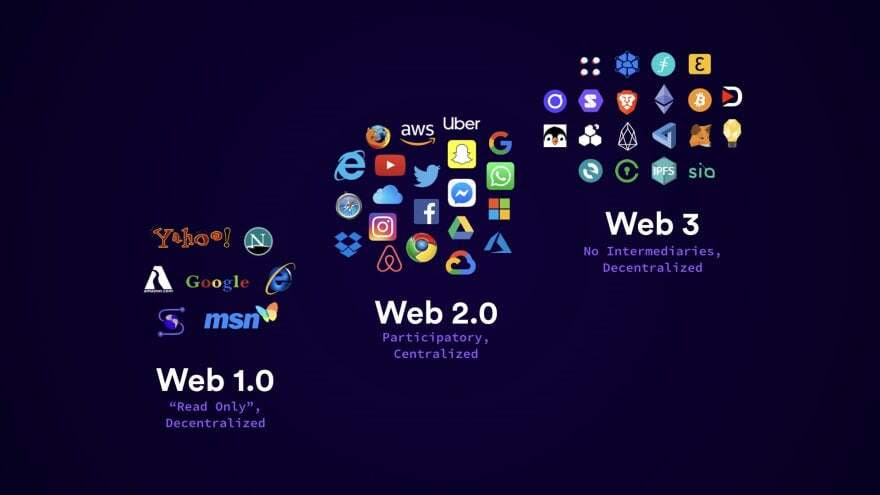
Examples of web1, web2 and web3 applications
This was the first generation of the web, known as the *Read-only /Informative web*. It was so called because in this Era, the web was mostly used to publish/make information readily available to users over the internet, using static HTML pages. Users could not interact nor upload content except they had the technical skills to build their own pages. As years went by, there was need for users to create thier own content over the web, this brought about the idea for web 2.0
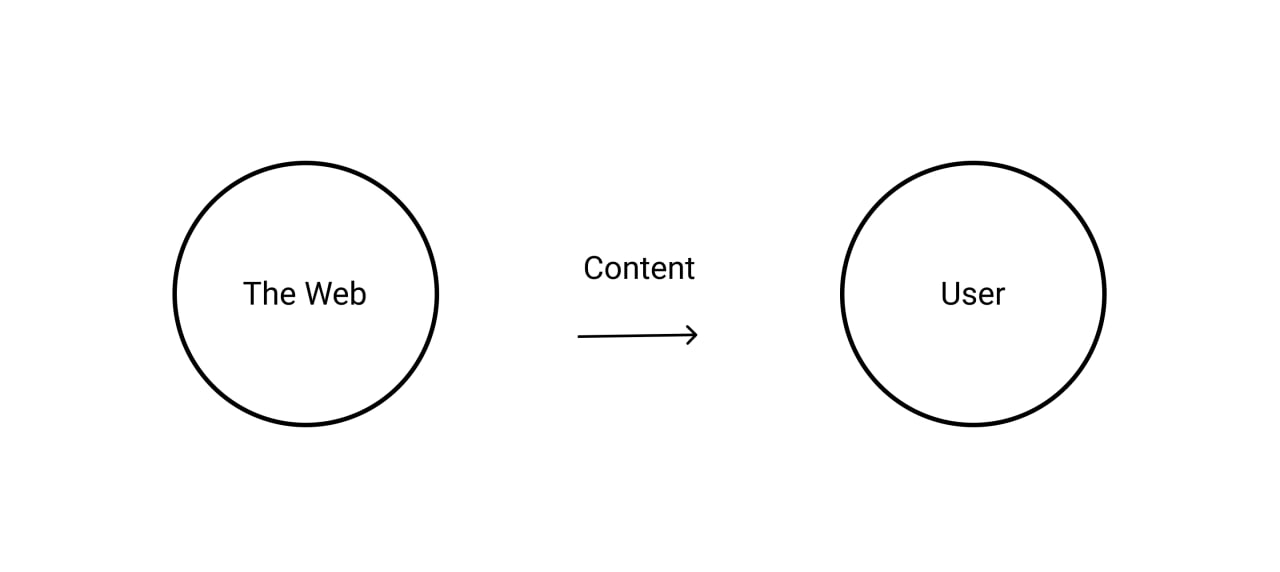
Web 1 - Users could only read but not write to the web
This is the second generation of the web, the one we mostly use today, commonly known as *interactive web. *With technologies like HTML 5, JavaScript and PHP, platforms like Facebook, Instagram and twitter have been created and this has brought about a paradigm shift in the way users interact with the web. Users can now react, comment and even create their own content. These platforms are based on centralized servers, owned by top companies.
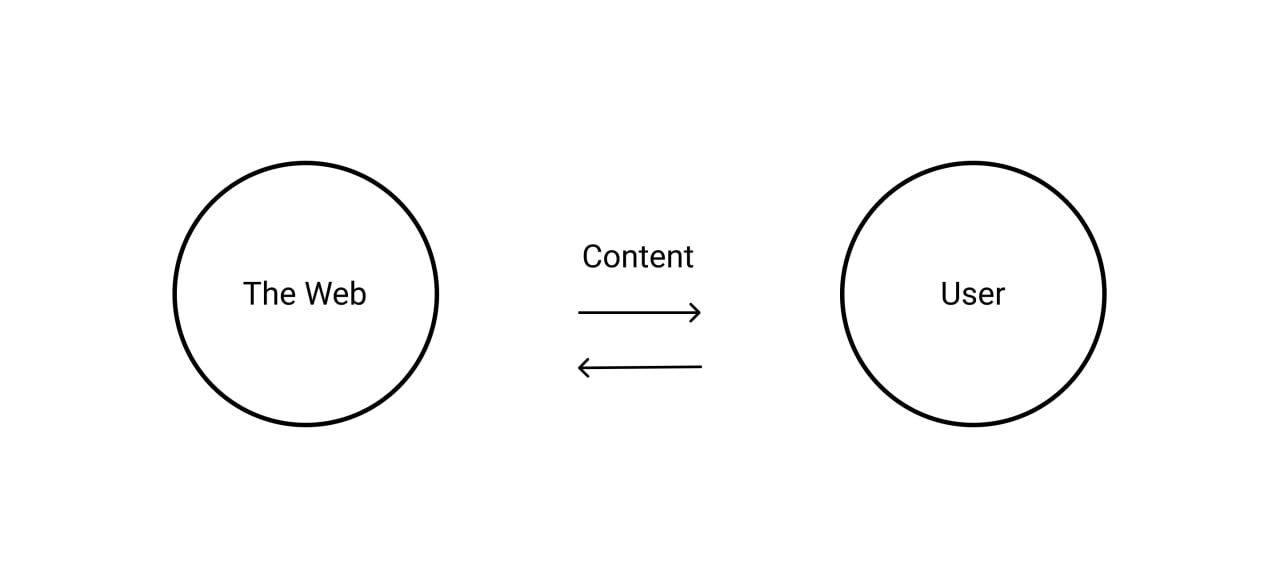
Web 2 - Users can read and also write to the web
(These are just a few out of many which saw the need for web 3)
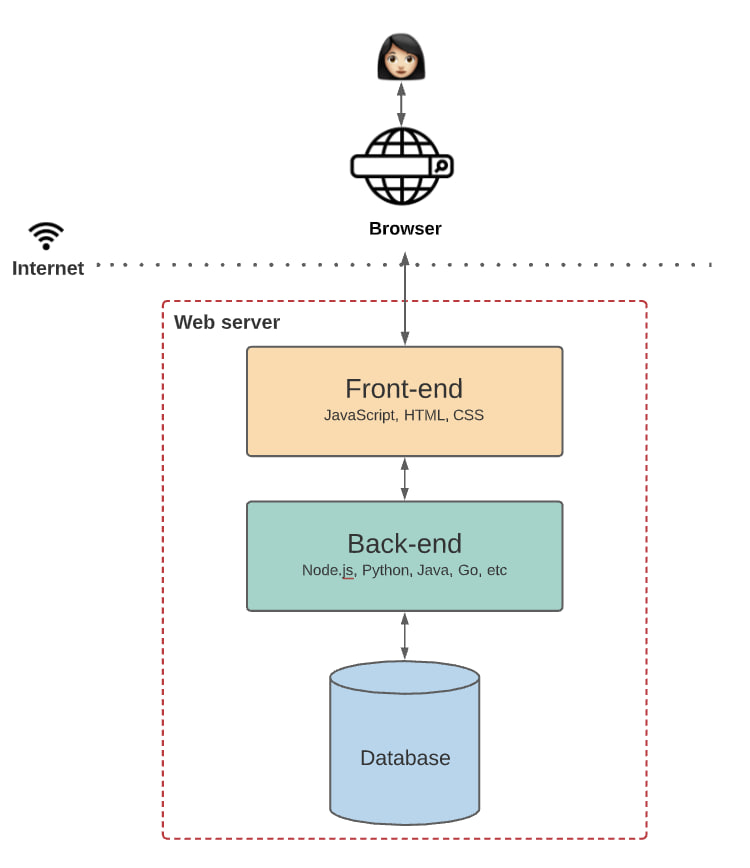
_How web 3 works - image by https://www.preethikasireddy.com/ _
This is the future evolution of the web, based on decentralization and blockchain technologies (amongst others), created to solve the problems of web 2.0.
Unlike web 2, web 3 is built on decentralized servers (globally accessible deterministic state machines, managed by peer to peer network of nodes). This implies that users would have direct access to the servers, to create what they want, without the need for intermediaries. Also, every node on the server would have a secure copy of the user's data. This will eliminate the problem of privacy and data loss.
Also, in web3, users would not need to create login details for every platform (thereby having to memorize a lot of data). They would only have to create a one-time account on a wallet system (e.g Metamask, Trust wallet etc.), and they'd be able to access any platform of their choice.
Finally, users would not need intermediaries such as banks, in order to carry out transactions. Anyone with a digital wallet, would be able to make safe and secure transactions on the blockchain without having to care about sharing data or paying extra charges.
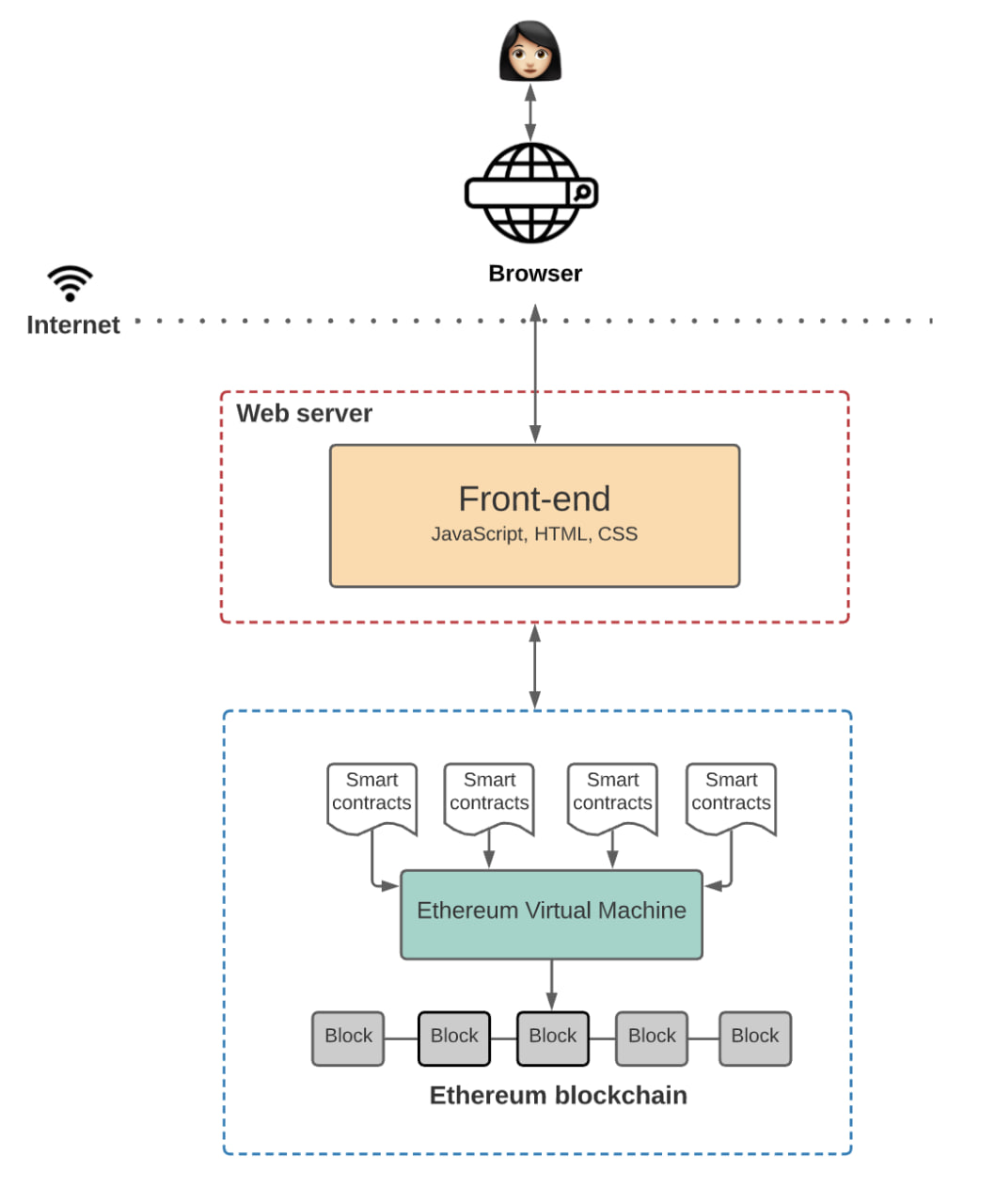
_How web 3 works - image by https://www.preethikasireddy.com/ _
Web 3 seem to be very promising. Experts say it would have no Computation, Bandwidth nor Storage problems. Do you agree with this?
Having just gotten into web 3 space, I can't wait to explore the opportunities and all that this technology has in store for us.
Did you find this article useful? or is there anything you'd like to add to this?. I'd love to hear from you. please do well to drop a comment below.