
AI agents are highly flexible, and there a few core features that power their intelligence and efficiency. These features work together to ensure that the agent understands goals, plans steps and interacts with other systems. They include:
While the above listed features enable a single agent perform tasks, working with other agents often enables an agent to reach its maximum potential.
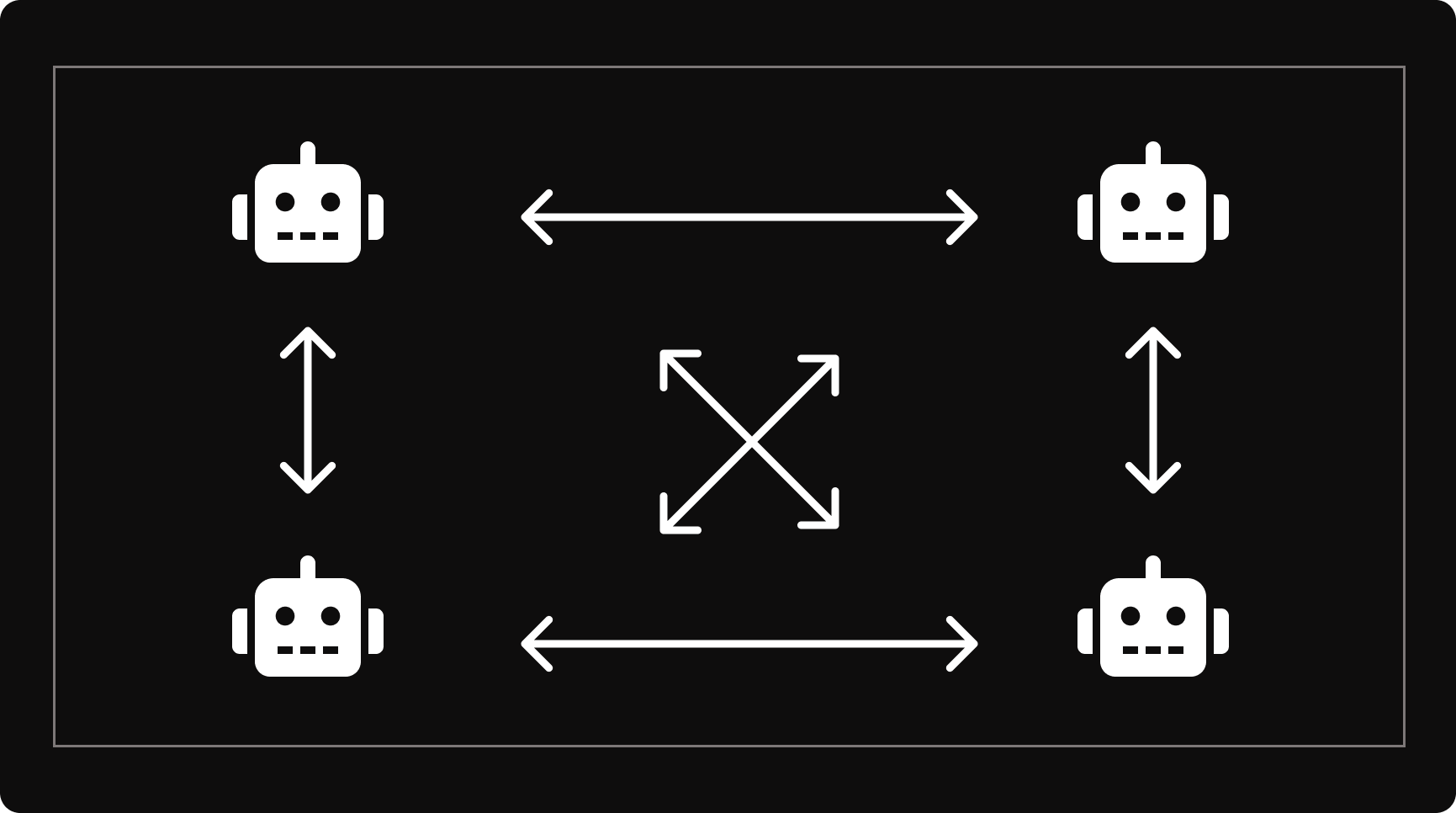
When agents work together, they’re able to share knowledge, divide complex tasks and co-ordinate their actions to achieve large-scale goals that may be impossible for a single agent to manage alone.
This ability to chain actions and collaborate makes them invaluable in the workplace.
Agents analyze situations, use multiple tools and make informed decisions without requiring constant human Input. They are also capable of handling multi-step tasks that a model alone cannot, such as:
AI agents can perform actions across many industries. Examples include:
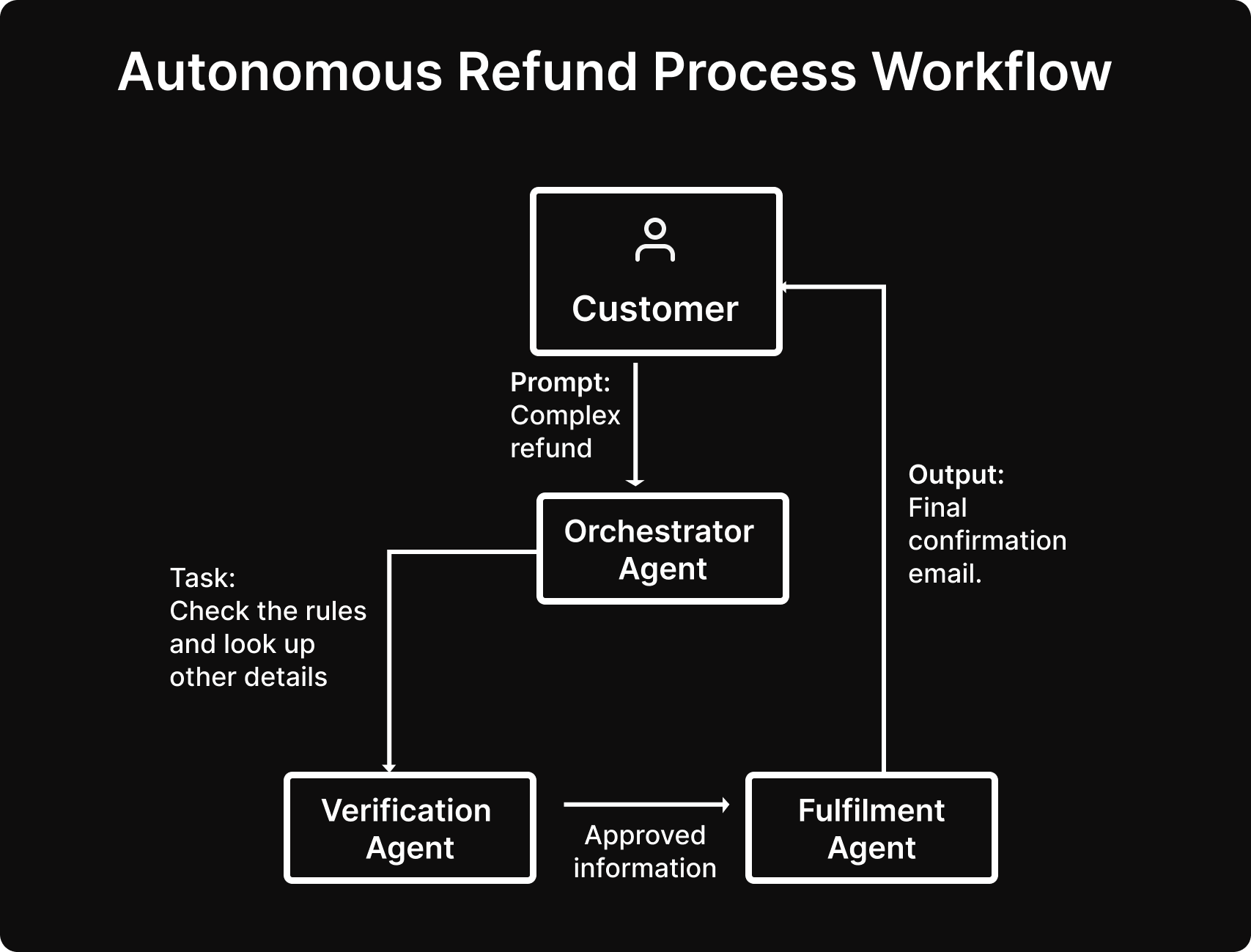
Agents can create support tickets, process simple refunds, and autonomously resolve complex customer issues using internal knowledge bases without human intervention.
Example workflow for autonomous refund process:
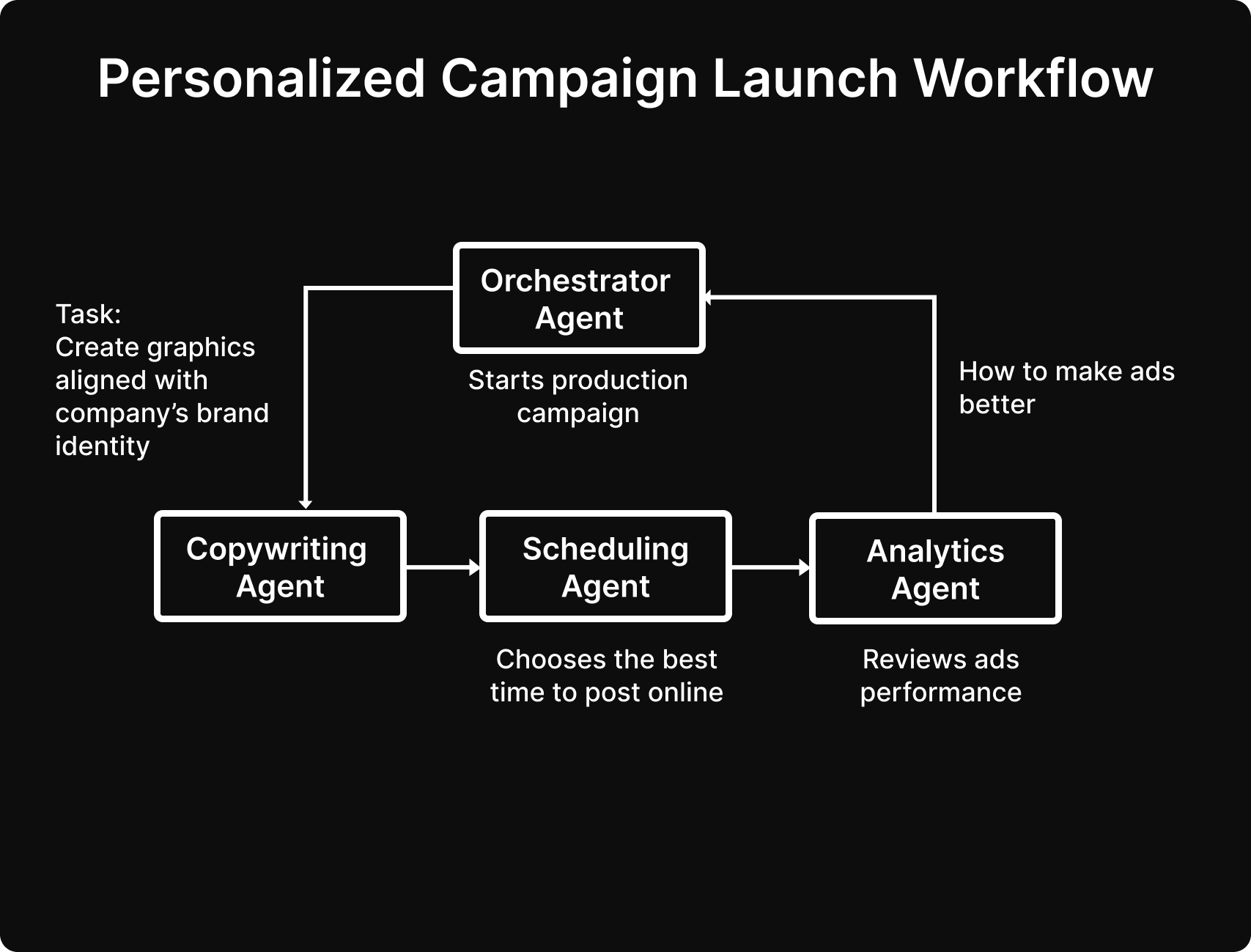
Agents can generate personalized marketing campaigns, including drafting ad copy, finding and creating images, scheduling posts and analyzing user behaviour.
Example workflow for a personalized campaign launch:
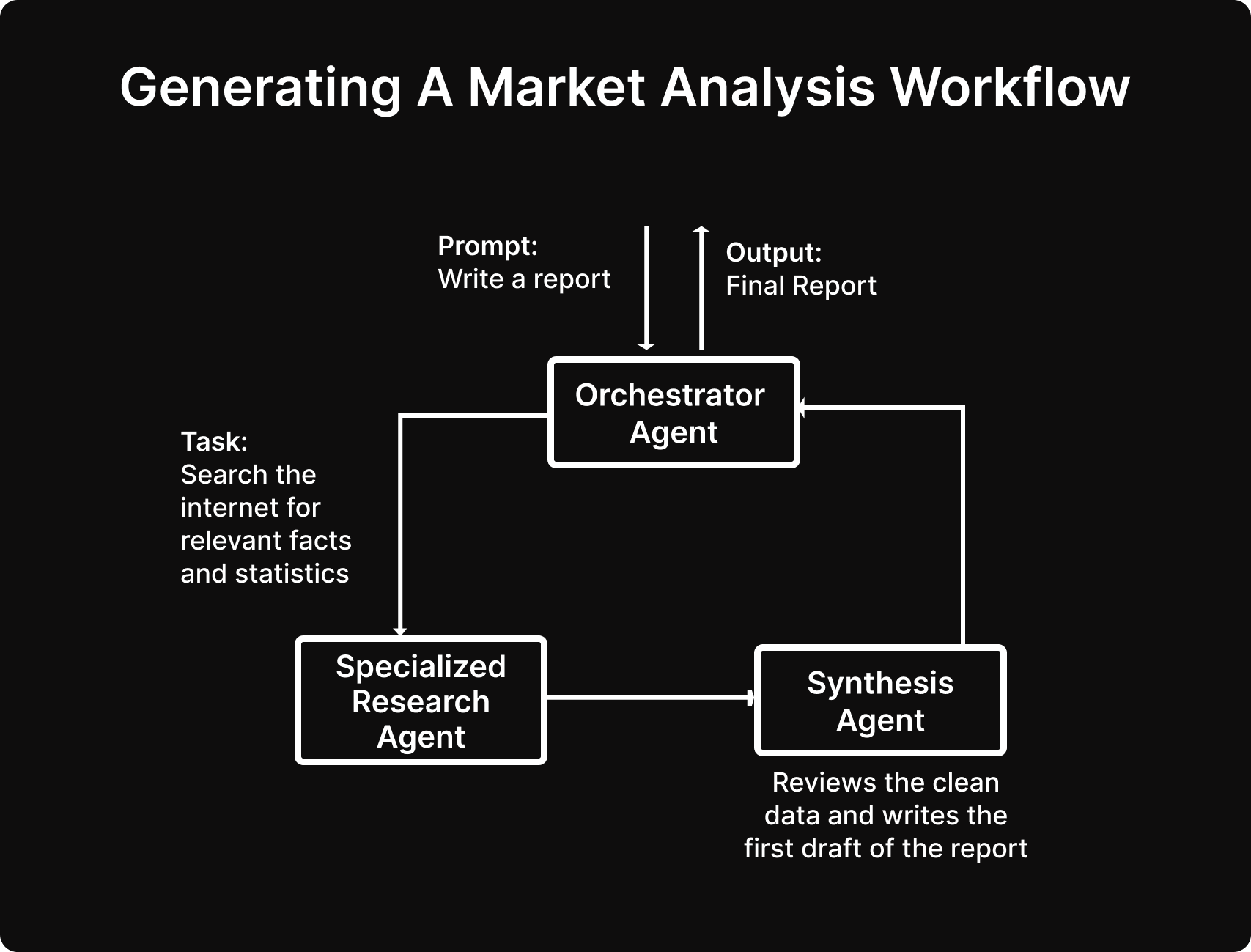
Agents can perform multi-step research using web searches to gather current data. Summarizing findings and then writing a final report or drafting an email.
Example workflow for generating a market analysis report:
The biggest distinction between a traditional chatbot and an agentic system is the ability to act autonomously across multiple systems to resolve a complex issue
Resolving an issue with a chatbot
Customer initiates complex request:
Imagine a customer requires assistance with a mult-part issue, such as: “I need a refund for order #123, but I used two different gift cards and a credit card”.
Data Access Limitations
The chatbot can only access the order status API to confirm the item was shipped/returned. But cannot access the finance/policy API needed to verify rules or process the payment splits.
Static Response
The chatbot responds with its only option for non-standard issues: “I am unable to process complex refunds, please wait for a human agent or call our support line.
Failure point
The chatbot fails to resolve the issue. The customer is forced to wait and a human agent must spend time manually gathering the necessary data (order details, payment sources, policy), that an agentic system can handle automatically.
The complex refund is unresolved. The chatbot proved to be functionally limited, forcing the customer to experience a long wait time before their issue is addressed.
Comparing the two scenerios involving a complex customer refund. The first scenerio utilized an AI agent that provided autonomous refund procesing (review the customer service section above), while the second used a traditional chatbot. The chatbot failed, whereas the agentic system succeded. The key takeaway is that chatbots are limited predefined scripts while aI agents can autonomously act.